
Is a Nikah Legally Binding in Canada?
Published August 1, 2026
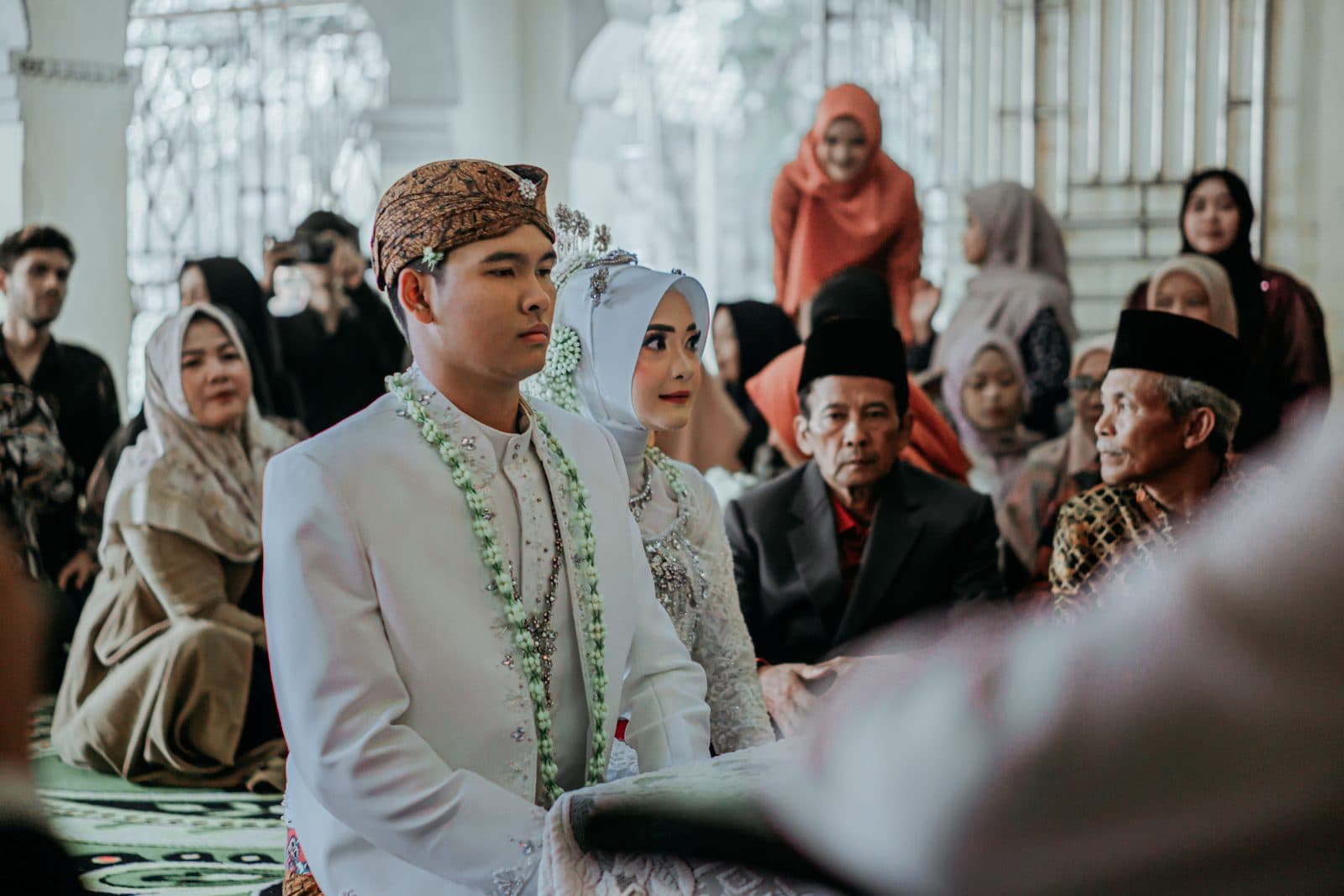
It is one of the first questions couples ask us, and one of the most misunderstood. You have had your nikah, your families witnessed it, the imam recited the dua, and you signed the contract. So are you legally married in Canada?
The short answer
On its own, no. A nikah, sometimes spelled nikkah, is a religious marriage contract. It makes you married in the eyes of Allah and your community from the moment it is completed. But Canadian law does not automatically recognize it. For your marriage to be legally binding in Canada, two things have to happen alongside the ceremony: you need a provincial marriage licence, and the person performing the ceremony has to be a registered officiant who then files the paperwork.
Get those two things right and your nikah is both religiously valid and legally binding, in one ceremony, on the same day. Miss them, and you are religiously married but legally single.
What makes a marriage legal in Canada
Marriage is governed provincially. In Ontario, a marriage is legally recognized when three conditions are met:
- You have a marriage licence. Obtained from a city hall or municipal office before the ceremony, valid for 90 days. The imam cannot issue it. Our step by step guide to the Ontario marriage licence walks through it.
- A registered officiant performs the ceremony. Many imams are registered with the Province of Ontario to solemnize marriages. Many are not. Both are perfectly legitimate; they simply do different things.
- The licence is registered. After the ceremony, the officiant and your witnesses sign, and the officiant files it with the province. Your marriage certificate follows a few weeks later.
Nothing in that list conflicts with the nikah. A registered imam performs your religious ceremony exactly as he otherwise would, and handles the civil registration at the same time.
So what does a religious-only nikah give you?
A great deal, religiously. You are married in your faith, your marriage contract and mahr are binding between you, and your community recognizes the marriage. Some couples deliberately choose this: they are waiting on paperwork, marrying while one partner is still overseas, or simply want the religious ceremony first.
What it does not give you is legal status. Without registration, Canadian law treats you as unmarried. That has real consequences worth understanding before you decide:
- No automatic spousal rights to property division under provincial family law.
- No automatic inheritance rights if one of you passes away without a will.
- Difficulty with spousal sponsorship for immigration, where a legally recognized marriage is normally required.
- No access to spousal benefits that require proof of legal marriage.
- You cannot legally remarry someone else, religiously speaking, but civilly you are still recorded as single.
Living together for long enough may make you common-law partners in Canada, which carries some but not all of the same rights. That is a separate status from marriage and the rules vary by province, so do not assume it fills the gap.
Is the mahr enforceable in a Canadian court?
Often, yes, and this surprises people. Canadian courts, in Ontario and elsewhere, have in a number of cases treated a written mahr agreement as an enforceable marriage contract or debt. Outcomes turn on how clearly the agreement was written and the circumstances of the case, so if enforceability matters to you, write the mahr down precisely in the nikah contract and consider speaking with a family lawyer. Our mahr calculator can help you agree a figure before the day.
What we recommend
Decide early which one you want, and be honest with each other about why. If you want the legal marriage, get the licence in good time and choose an imam who is a registered officiant, so it is all handled in a single ceremony. If you are having a religious-only nikah for now, agree a plan for completing the legal side later and put your mahr and any conditions in writing.
On ImamConnect, every imam profile states plainly whether they are a registered officiant (legal and religious) or perform the religious ceremony only, so there are no surprises on the day.
A few common questions
- Is a nikah legally binding in Canada?
- Not by itself. A nikah is a religious marriage. It becomes legally binding in Canada only when it is performed by a registered officiant with a valid provincial marriage licence, which is then registered with the province.
- Do we need a separate civil ceremony at city hall?
- No. If your imam is a registered officiant and you bring your marriage licence, the single nikah ceremony satisfies both the religious and the legal requirements. You only need a separate civil ceremony if your imam is not registered.
- Is a nikah performed abroad recognized in Canada?
- Generally, a marriage that was legally valid where it took place is recognized in Canada, provided it would also have been valid under Canadian law. Keep your official marriage documents, and get certified translations where needed. If it is tied to immigration, speak with a professional.
- Can we have the nikah now and register the marriage later?
- Yes, and plenty of couples do. Our guide on having your nikah before the paperwork is ready covers how that works.
- Does a religious divorce end a legal marriage?
- No. If your marriage was legally registered in Canada, only a civil divorce ends it in law, regardless of what has happened religiously. The two processes are separate and you may need both.
Want the legal marriage too?
Filter for registered officiants and have your nikah and your legal marriage done in one ceremony, on your date, in your language.
This guide is general information, not legal advice. Marriage law is provincial and individual circumstances vary, so confirm the requirements with ServiceOntario, your imam, and where it matters, a qualified family lawyer.