
Finding a Registered Muslim Marriage Officiant in Ontario
Published November 2, 2026
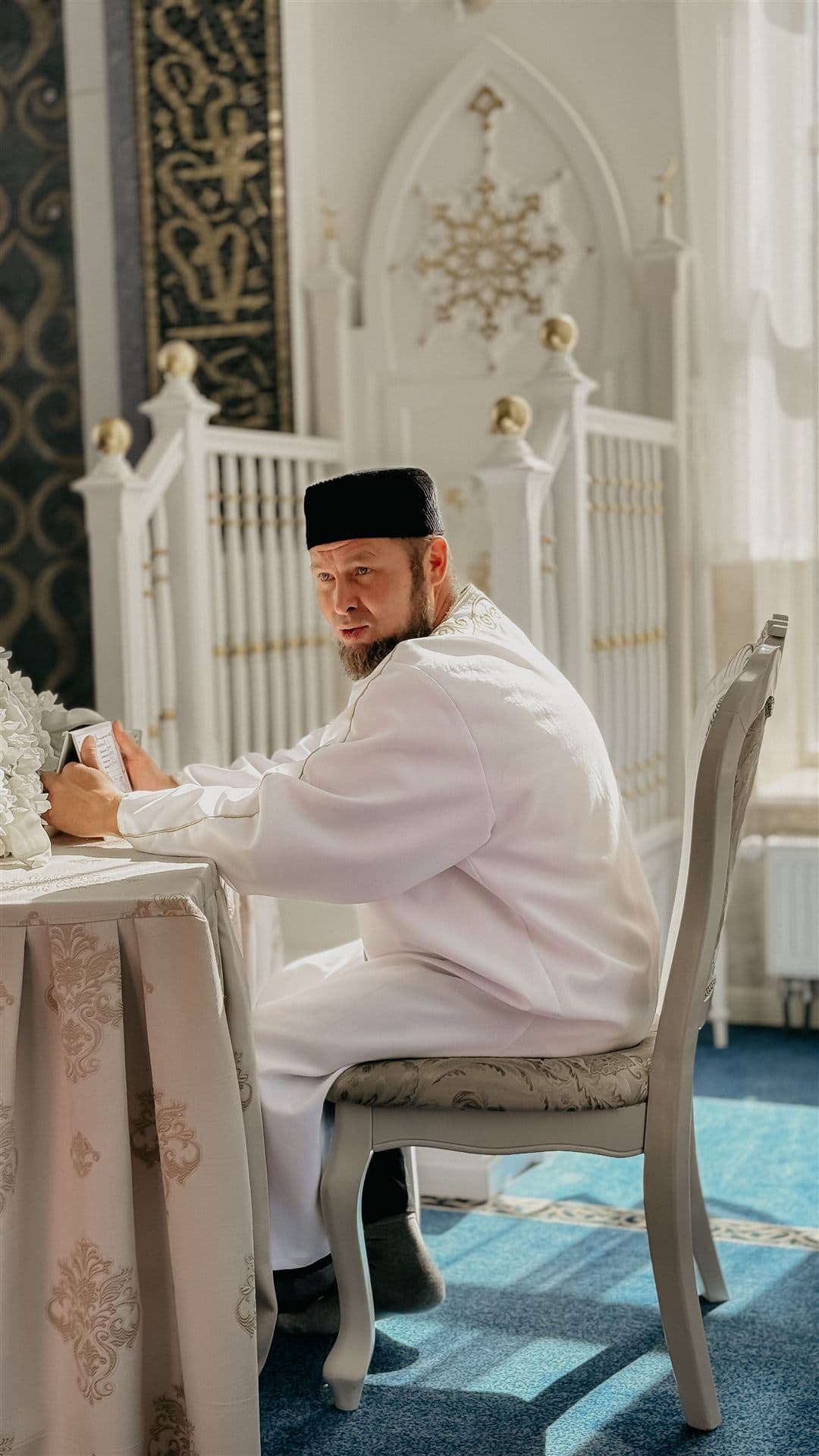
If you want your nikah to also be a legal marriage in Ontario, the person leading it must be authorized by the province. Many imams are, and many are not, and both can perform a valid religious nikah. This guide explains what registration means, how to check it yourself in a few minutes, and what to do if your imam is not registered. It is general information, not legal advice or a religious ruling.
What registered means in Ontario
Ontario's Marriage Act says no person may solemnize a marriage unless they are registered under the Act or authorized as a civil officiant. Ontario's getting married page describes two groups: registered marriage officiants and civil marriage officiants.
For a religious official such as an imam, registration goes through their religious body. Under section 20.1 of the Act, the Minister may register a person who has been ordained or appointed by their religious body, is recognized by it as entitled to solemnize marriage according to its rites and usages, and belongs to a religious body that is permanently established. The person must also live in Ontario or serve a congregation that is at least partly in Ontario.
In practice, the province's Marriage Officiant's Guide explains that the religious body must first be on record with the Office of the Registrar General, and then it asks for its member to be registered. An imam cannot register himself as an individual.
How to check if an imam is registered
Ontario publishes a public list. On its getting married page, the province links to a dataset called Registered marriage officiants on the Ontario Data Catalogue (data.ontario.ca/dataset/registered-marriage-officiants). It includes each officiant's first and last name, location and affiliation.
The list comes as a CSV or Excel file. The catalogue suggests opening it and using Control+F to search for a city or a person. When we checked in November 2026, the files were last updated on October 30, 2026, and the page says the data is refreshed weekly.
There is one catch. The catalogue notes that registrations and cancellations are generally updated within 4 weeks of notification. If an imam was registered very recently, or you cannot find his name, ask him which religious body registered him, and confirm with ServiceOntario or the Office of the Registrar General before the day.
It is also fine to simply ask the imam: Are you registered to perform legal marriages in Ontario? A registered imam will be used to the question.
What the officiant does with your licence
You get the marriage licence yourselves, from an Ontario municipal office, before the ceremony. The officiant's guide is clear that obtaining the licence is not the officiant's job. On the day, the officiant checks that it has not expired and that your names and details are correct. Mistakes cannot be fixed by the officiant or after the ceremony, so read it carefully when you pick it up.
After the ceremony, the officiant completes the licence, makes an entry in the marriage register, and has you both and your two witnesses sign in person. The guide says the officiant must mail or courier the signed Statement of Marriage to the Registrar General within two days.
If you ask, the officiant gives you a record of solemnization on the day. ServiceOntario says this is not the same as a marriage certificate. You order the official certificate once the marriage has been registered.
Witnesses and presence
Section 25 of the Marriage Act says every marriage must be solemnized in the presence of the couple and at least two witnesses. The officiant's guide adds that five people must be physically present in Ontario: both of you, two witnesses and the officiant. Proxy and virtual marriages are not permitted, though other guests may watch online.
The guide says witnesses must understand what they are witnessing and must sign the licence and the register. It does not set a minimum age in that guidance, so ask your imam if he has his own requirements.
The religious conditions for nikah witnesses are a separate question. Many scholars teach specific conditions, such as adult Muslim witnesses, and schools differ on the details. Please ask an imam or scholar you follow.
If your imam is not registered
You can still have the nikah with him. It will be a valid religious ceremony in the eyes of many families, but it will not be a legal marriage in Ontario on its own. To be legally married as well, you would add a civil ceremony.
Ontario lists the civil officiants as judges, associate judges, justices of the peace, municipal clerks or their delegates, and Members of Provincial Parliament who have given notice to the Minister. Many city halls offer civil ceremonies. The officiant's guide says a $75 fee applies to marriages performed by an Ontario judge or justice of the peace, and municipalities set their own fees for their ceremonies.
Some couples hold the civil ceremony first and the nikah later, and some do the reverse. Talk about the order with your families and your imam, and keep the dates clear for your records. One thing you cannot do is have an unregistered person lead the ceremony and a registered officiant sign afterwards. The guide says this is not allowed.
Marrying in Quebec or another province
Registration is provincial. The officiant must be authorized in the province where the ceremony takes place, and the paperwork must be from that province. Ontario's officiant guide says an Ontario licence is only valid for marriages in Ontario, and a licence from another province cannot be used here. An imam who lives outside Ontario can apply for temporary registration with the sponsorship of a religious body on record.
Quebec works differently. There is no licence, and Quebec.ca says your marriage must be celebrated by a celebrant recognized by law and authorized to celebrate marriages, whether the ceremony is civil or religious. You can check the Directeur de l'état civil's public register of celebrants at services.etatcivil.gouv.qc.ca/celebrants. Our Quebec guide covers the 20-day publication.
Other provinces, such as Alberta, British Columbia and Manitoba, have their own registration systems. Check with that province before booking an imam from another part of Canada.
Finding a registered imam through ImamConnect
When you request a nikah through ImamConnect, you can ask for an imam who can also do the legal registration in Ontario. Imam profiles show whether the imam can perform the legal marriage or the religious nikah only, so there are no surprises on the day.
ImamConnect is free. Imams set their own arrangements and you deal with them directly. We still suggest checking the provincial list yourself, since it takes only a few minutes and gives you peace of mind.
A few common questions
How do I check if an imam is a registered officiant in Ontario?
Can any imam make our nikah a legal marriage in Ontario?
What does the imam do with our marriage licence?
How many witnesses do we need in Ontario?
What if our imam is not registered?
Can an Ontario imam marry us legally in Quebec?
Planning your nikah?
Request a nikah through ImamConnect, a free matching service, and ask for an imam who can also register your marriage in Ontario.
Related guides
This guide is general information, not legal advice or a religious ruling. Laws and fees change and differ by province and city, so confirm the current rules with your municipal office, your imam, and where it matters, a qualified lawyer.