
Having Your Nikah at Home in Toronto and the GTA
Published November 2, 2026
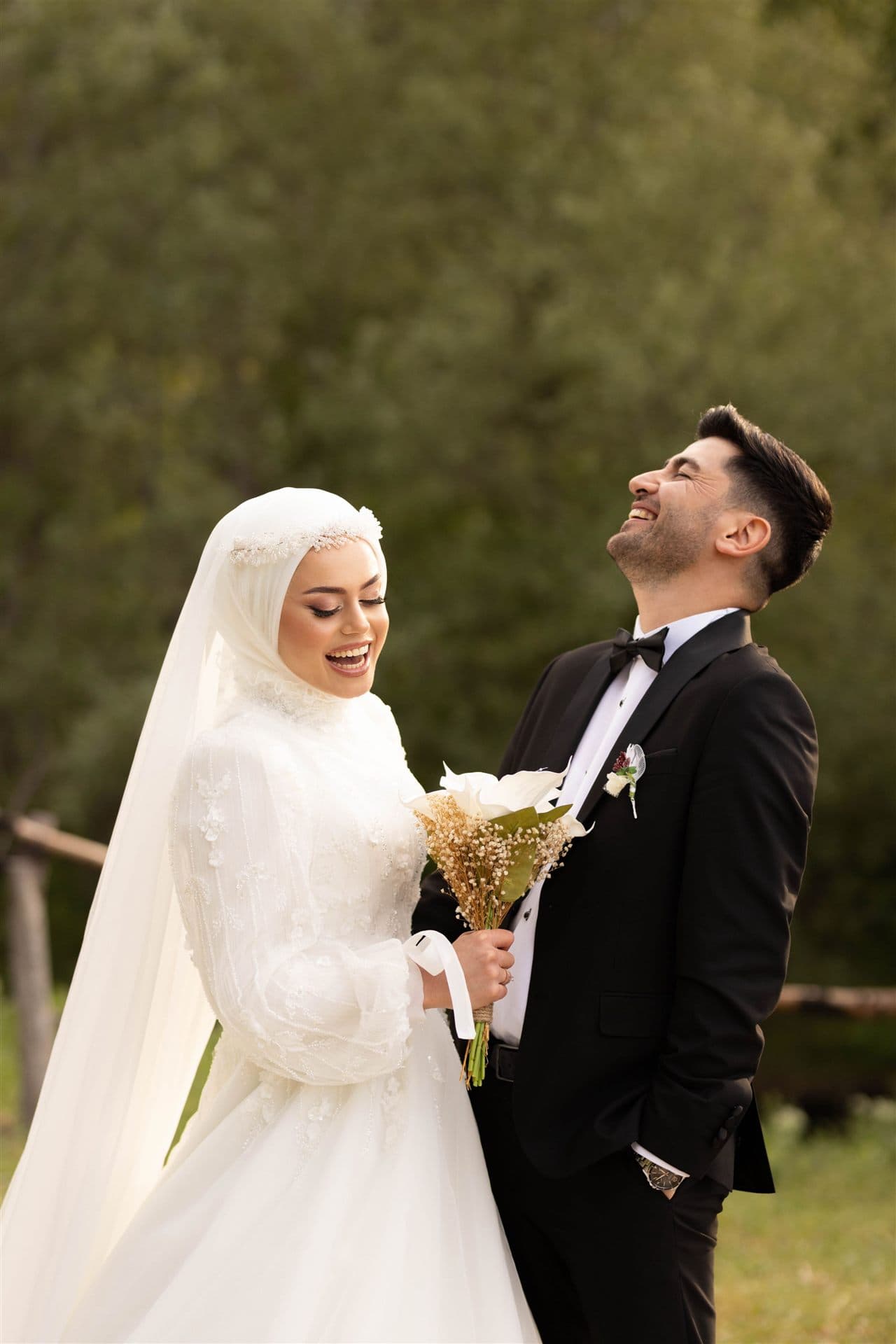
Many families in Toronto and the GTA choose to hold the nikah at home. It can feel calmer and more personal, and the people who matter most are already there. This guide covers what Ontario law says about marrying at home, the paperwork, and the practical planning that makes the day go smoothly. It is general information, not legal advice or a religious ruling.
Is a nikah at home legal in Ontario?
Yes, a home can be the place for both a religious nikah and a legal marriage. Ontario's Marriage Act does not set out a list of approved venues for a religious ceremony. It expressly expects that some marriages happen outside a place of worship: section 28 tells the officiant which register to use when a marriage is solemnized elsewhere than in a church, which the Act defines to include a place set aside for religious worship such as a mosque.
What matters legally is who leads the ceremony and the paperwork, not the room. For the nikah to also be a legal marriage, you need a valid Ontario marriage licence and an imam who is a registered marriage officiant in Ontario. If your imam is not registered, the home nikah is a religious ceremony only, and you would add a civil ceremony to be legally married.
Some mosques have their own policies. Masjid al-Farooq in Mississauga, for example, says on its nikah page that its imam will only perform the nikah in the masjid. Ask early whether your imam is able to come to a home.
The licence and the legal basics
You can get your licence from an Ontario municipal office that issues them, such as Toronto, Mississauga, Brampton or Markham, and use it anywhere in Ontario. Ontario's Requirements Respecting Marriage in Ontario sheet says it expires three months after the date of issue. A Mississauga licence works for a nikah in Scarborough, and a Toronto licence works in Vaughan.
Ontario's officiant guide says five people must be physically present: the couple, two witnesses and the officiant. Proxy and virtual marriages are not allowed, though other relatives can join by video. After the ceremony, the couple and witnesses sign the licence and the register, and the imam sends the signed Statement of Marriage to the province within two days.
Fees differ by city. In November 2026, Toronto's page listed $180, Mississauga's $165, Brampton's $175 and Markham's $200. Many offices work by appointment, so book early.
Planning the space
A nikah needs less room than people expect. The core of it is a table, a few chairs and enough quiet for everyone to hear. Think through these points a week or two before.
If your family prefers, you can set up separate areas for men and women, for example the living room and the dining room, or two sides of a basement. Make sure both areas can hear the imam clearly.
- A sturdy table with chairs for the imam, the couple and the witnesses, and room to sign documents.
- Seating for elders first, with everyone else close enough to hear.
- A small speaker or microphone if guests are in more than one room.
- A clean, quiet space for prayer, with a few prayer mats and the qibla direction marked.
- Shoe storage at the door, and a spot for coats in winter.
- A plan for children, so the main moments stay calm.
Condo party rooms and backyards
If your unit is small, a condo party room can work well. Most buildings have their own booking rules, deposits and guest limits, so read your condominium's rules and speak to property management before you set a date. Ask about the guest list, visitor parking, noise, food, and when the room must be cleaned and returned.
A backyard nikah is lovely in late spring and summer. Have a backup plan for rain or heat, such as a tent or moving indoors. Remember the paperwork needs a flat, dry surface, and keep the licence somewhere safe until signing.
If your guest list grows beyond what a home can hold, a community hall or a mosque hall may be a simpler choice.
What the imam will need on the day
Ask your imam what he needs well before the day. Most will want the following ready when they arrive.
Religious conditions, such as the role of the wali and who may serve as a witness for the nikah itself, are taught differently across schools of thought. Please ask your imam or a scholar you follow.
- The Ontario marriage licence, if this is a legal marriage, with names checked against your ID.
- Original photo ID for both of you.
- Two witnesses who are present in person.
- The wali, if your family and imam follow that practice.
- The agreed mahr, discussed beforehand so there is no debate on the day.
- A nikah contract or certificate, if the imam does not bring one. Ask who prepares it.
Timing, travel and parking across the GTA
Travel between Mississauga, Brampton, Markham, Vaughan, Scarborough, North York and Etobicoke can take much longer at rush hour or in winter. Share the exact address, the unit number, the buzzer code and parking instructions with the imam a few days before. Give him a phone number for someone who will meet him at the door.
Plan the time around prayer. Many families hold the nikah between two prayers, or right after one, so guests can pray together. Prayer times shift a lot across the year in Toronto, so check a local timetable for your date.
Street parking rules differ by city and street, and many condos have limited visitor spots. Reserve a spot for the imam if you can, and ask guests to carpool.
Food and the rest of the day
Food is optional. Some families serve dates and sweets after the nikah, others host a full meal. If you are catering, make sure the food arrives after the ceremony so it does not distract from it, and keep a clear area for serving.
ImamConnect is a free matching service. Imams set their own arrangements, and you deal with the imam directly. When you ask, mention that the nikah is at home and where, so he can plan his travel. A polite question, such as whether there is anything you should prepare, is the kindest way to ask about arrangements.
A few common questions
Can we have a legal marriage at home in Ontario?
Does the licence have to come from the city where we live?
Will any imam come to our home for the nikah?
How many people must be present at a home nikah in Ontario?
What should we prepare for the imam?
Planning your nikah?
Request an imam through ImamConnect, a free matching service, and mention that your nikah is at home so the imam can plan travel.
Related guides
This guide is general information, not legal advice or a religious ruling. Laws and fees change and differ by province and city, so confirm the current rules with your municipal office, your imam, and where it matters, a qualified lawyer.