
Taking the Shahada Before Your Nikah: A Guide for Couples and Families
Published October 8, 2026
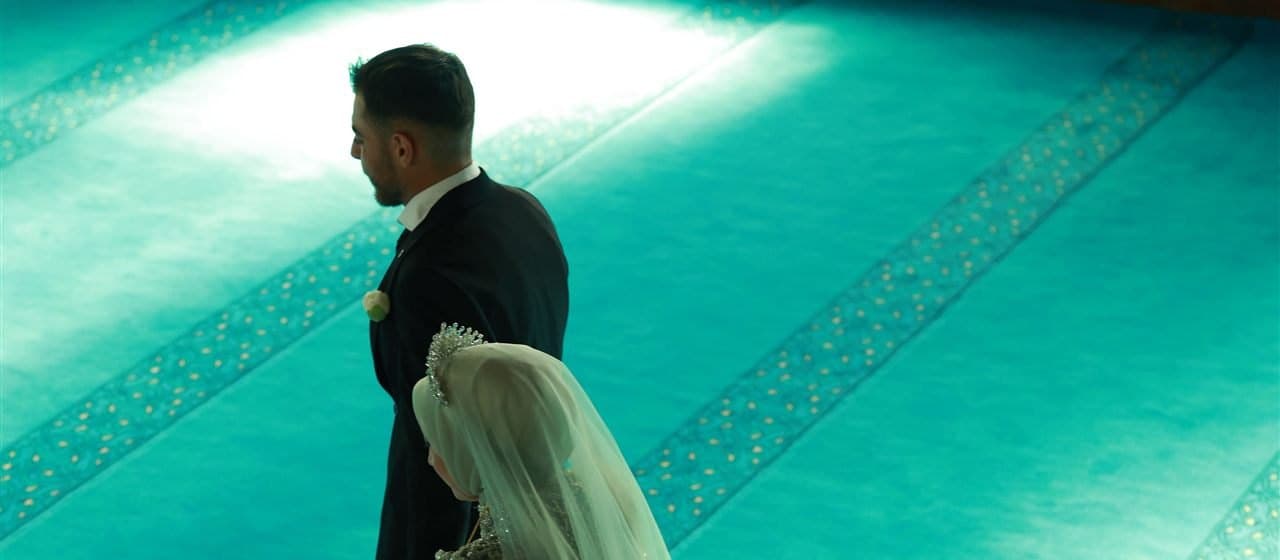
Some of the most moving nikahs we help arrange begin a few minutes early, with a shahada. A bride or groom who has been learning about Islam for months, sometimes years, makes their declaration of faith, and then the couple sits down for their nikah with the same imam and the same families around them.
It is more common than many people realize. Families across Canada include parents, partners, siblings and in-laws who came to Islam as adults, and a wedding is often the moment that brings it forward. If that is your family, here is what to expect and how to plan the day well.
What the shahada actually involves
The shahada is the declaration of faith, and it is short. In it, a person bears witness that there is no god but Allah, and that Muhammad is His messenger. Said sincerely, it is all that is needed to become Muslim.
- It takes a few minutes. The imam usually explains the meaning first, then says it with you phrase by phrase in Arabic, followed by the English.
- Nothing to memorize. You repeat after the imam. Nobody expects perfect pronunciation.
- Witnesses are customary. Two Muslim witnesses are usually present. At a nikah, the witnesses are already there.
- No fee and no exam. There is no test of knowledge. Learning continues afterwards, at your own pace.
Sincerity comes first
The Quran is clear that there is no compulsion in religion. A shahada is a personal conviction, and any good imam will want to know it is genuinely the person's own choice and not simply a box to tick before the wedding. Expect the imam to have a short, friendly conversation beforehand, often by phone, to make sure the person understands what they are saying and wants to say it.
Whether a conversion is needed for the nikah at all depends on who is marrying whom. A Muslim woman marries a Muslim man, so a groom who is not Muslim takes the shahada before the nikah. Most scholars allow a Muslim man to marry a Christian or Jewish woman without her converting. Your imam can talk through your situation and the view he follows.
Same day, or before the wedding?
Both work. It comes down to what feels right for the person taking it.
- Just before the nikah. The simplest option. Same imam, same witnesses, family already gathered. Let the imam know in advance so he can allow an extra 15 to 20 minutes.
- The day before, or earlier. Some people prefer a quieter moment, at the mosque after a prayer or at home with a few close family members, so the shahada is not folded into wedding nerves.
When you request an imam, mention the shahada in your notes. We let the imam know ahead of time so he can plan the conversation, bring a certificate if he issues one, and set aside the time.
When family members are not Muslim
Very often, the new Muslim's parents and relatives are of another faith, and they are attending a ceremony they have never seen before. A little thought goes a long way:
- Ask the imam to briefly explain each part, the shahada, the mahr, the offer and acceptance, and the dua, so everyone can follow along.
- Share simple guidance ahead of time on dress and shoes if the ceremony is at a mosque, so nobody feels caught out at the door.
- Make space for them in the day. Their love and support do not change because their child or sibling has embraced a new faith, and honouring parents is part of Islam.
- Where it fits, choose an imam who speaks the family's language. Every profile on ImamConnect lists the languages the imam speaks.
After the shahada
The wedding is one day, and the learning that follows takes longer. Many mosques run new Muslim programs with classes, mentors and community dinners, and most are glad to welcome a new member and their spouse. A few practical points:
- Ask for a shahada certificate. Many mosques and imams issue one. It can be needed later, for example when applying for Umrah or Hajj.
- A Muslim name is optional. Keeping your birth name is completely fine, and nothing changes legally unless you apply for it.
- The legal side of the marriage is unchanged. Faith has no bearing on your marriage licence. If you want the nikah to be legally binding too, the usual rules apply. See our guide on whether a nikah is legally binding in Canada.
A few common questions
Can the shahada and the nikah happen on the same day?
What do I need to say to become Muslim?
Does my partner have to convert for us to have a nikah?
Do I need to change my name?
Can non-Muslim family members attend?
Planning a shahada and nikah?
Tell us your date, location and language, and mention the shahada in your notes. We will find an imam who can guide both, with patience and care.
This guide is general information. Practices vary between scholars and communities, so speak with your imam about your own situation.