
How to Find an Imam for Your Nikah in Canada
Published November 17, 2026
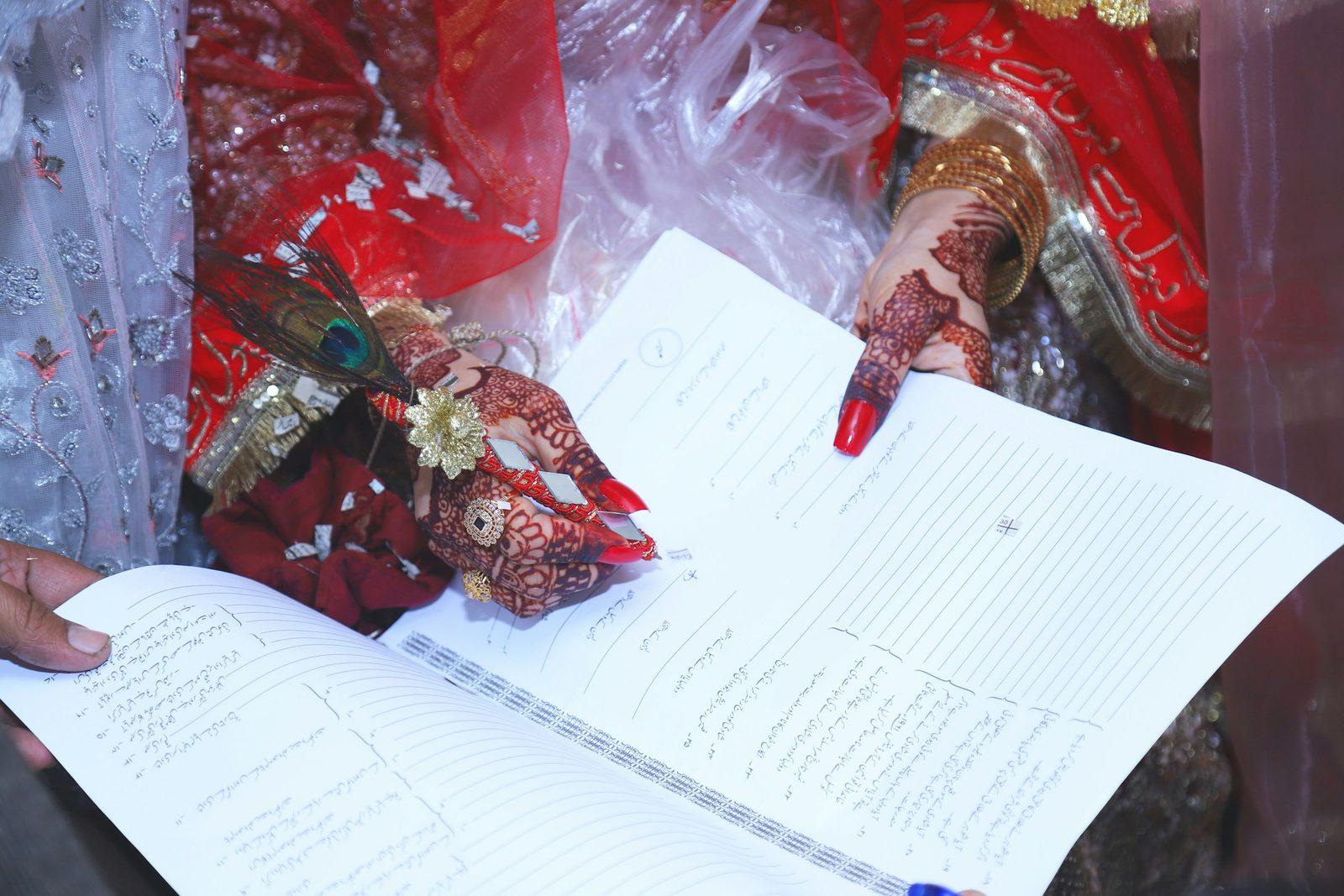
Finding the right imam for your nikah can feel like the hardest part of the planning. Some families call their local mosque. Others search for an imam for nikah near me late at night and do not know who to trust. This guide explains your options in Canada, the difference between a religious nikah and a legal marriage, how to check that an imam is authorized in your province, and what to ask before you book. It is general information, not legal advice or a religious ruling.
Two kinds of nikah officiant
Most couples in Canada find their imam in one of two ways. The first is through a mosque. Many mosques have a resident imam who performs nikahs for the community, often in the mosque itself and sometimes at a home or hall. The second is an independent nikah officiant: an imam or scholar who is not tied to one mosque and travels to families across a city or region.
Both can be a good choice. A mosque imam is a natural fit if your family already prays there and knows him. An independent officiant can be easier to book for a home nikah, an evening ceremony or a date when the mosque is busy. What matters most is that he is someone you trust to lead the nikah properly, and, if you want a legal marriage too, that he is authorized in the province where the ceremony takes place.
Religious-only nikah or legal marriage?
This is the first thing to decide, because it changes which imam you can book. A nikah is a complete marriage in Islam when its religious conditions are met. Canadian law is a separate question. Marriage law is provincial, and a ceremony only becomes a legal marriage if it follows the rules of the province where it happens.
In Ontario, the province's Getting married page says a marriage must be performed by an authorized officiant under Ontario's Marriage Act, and that you need a marriage licence, which is valid for 3 months from the date it was issued. Any imam can lead a religious-only nikah, but only an imam who is authorized in the province can make it a legal marriage on the same day.
Some couples choose a religious-only nikah and a separate civil ceremony at city hall. Others want everything done in one ceremony. Both are common. Our guide /guides/is-nikah-legally-binding-in-canada explains what a religious-only nikah means for you legally.
How to check that an imam is a registered officiant
In Ontario, an imam becomes a registered marriage officiant through his religious body, under the Marriage Act. Ontario's Getting married page links to a public list called Registered marriage officiants on the Ontario Data Catalogue (data.ontario.ca). You can download it and search for the imam's name or city in a few minutes.
In Quebec, Quebec.ca says your marriage must be solemnized by an officiant recognized by law and authorized to solemnize marriages. For a religious ceremony, that is a minister of religion authorized to marry couples according to the rites of his religion. Quebec.ca suggests checking the register of officiants kept by the registrar of civil status, and the Directeur de l'état civil says a minister's religious society must be recognized by that office.
It is also perfectly fine to ask the imam directly: Are you registered to perform legal marriages in this province? An imam who does legal marriages will be used to the question and will not mind.
The province rule: Ontario and Quebec are not interchangeable
Authorization does not travel with the imam. For a legal marriage, the imam must be authorized in the same province where the marriage takes place. An imam registered in Ontario cannot legally marry a couple in Quebec on the strength of his Ontario registration, and an imam authorized in Quebec cannot legally marry a couple in Ontario on his Quebec authorization.
Ontario's Marriage Officiant's Guide says an Ontario marriage licence is only valid for marriages performed within Ontario, and that a licence from another province cannot be used there. It also says a religious representative who does not live in Ontario may apply to the Office of the Registrar General for temporary registration, with the sponsorship of a religious body on record with that office.
Quebec has no marriage licence. Instead, the Directeur de l'état civil says every notice of marriage must be published on its website for 20 days, and it suggests the officiant submits the request several weeks before the date. So if your nikah is in Montreal, Laval or Gatineau and you want it to be legal, look for an imam authorized in Quebec. If your family lives near the border, such as Ottawa and Gatineau, check where the hall or home actually is.
Families in other provinces, such as Alberta and British Columbia, should check that province's own rules before booking an imam from elsewhere in Canada.
Questions to ask an imam before you book
A short, polite conversation up front saves a lot of stress later. These are the questions families find most useful.
- Can you perform a legal marriage in this province, or the religious nikah only?
- Are you available on our date and time, and how long does the ceremony usually take?
- Will you come to our home or hall, or do you prefer the nikah at the mosque?
- Which languages can you speak during the khutbah and the vows, such as English, Arabic, Urdu or French?
- Do you want to meet the couple, or speak with the wali, before the day?
- What do you need from us: ID, the marriage licence, witness names, the mahr details?
- Do you provide a nikah certificate, and in what language?
- What arrangement do you prefer for your time and travel? Each imam sets his own, so ask him directly.
When to start looking
Start as early as you reasonably can. Weekends, summer months and the days around Eid tend to be the busiest times for imams, and an imam who can also do the legal registration may have fewer free dates.
Work backwards from the legal steps too. In Ontario you pick up the marriage licence yourselves before the ceremony, and it expires 3 months after it is issued, so do not get it too early. In Quebec the 20-day publication must be finished before the ceremony, so the imam needs your details well in advance. Our guide /guides/how-to-get-ontario-marriage-licence walks through the Ontario steps.
What the family should prepare
The imam leads the ceremony, but the family brings a few important pieces. Agree on these before the day so the nikah itself is calm.
- Witnesses. Ontario's officiant guide says two witnesses must be physically present for a legal marriage, along with the couple and the officiant. The religious conditions for nikah witnesses are a separate question, so ask your imam what he requires.
- The wali. In many families the bride's father or another close male relative acts as her wali. Scholars hold different views here, and our guide /guides/nikah-without-a-wali explains them. Ask your imam how he handles it.
- The mahr. Agree on the mahr between the families in advance and tell the imam, so it can be stated clearly in the contract. Our guide /guides/mahr-in-canada covers what the law says about it.
- Documents. Bring government ID, the Ontario marriage licence if you are marrying legally in Ontario, and anything else the imam asks for.
- A quiet space. A separate area for the signing and the dua helps, especially at a busy home nikah.
How ImamConnect helps you find an imam
ImamConnect is a free matching service for families. You tell us your date, city, language and whether you need a legal marriage or the religious nikah only, at /request. We then look for an imam who fits, including one who is authorized in your province if you need the legal registration.
You can also browse imams by city, for example /imams/toronto, /imams/mississauga, /imams/ottawa, /imams/montreal, /imams/calgary and /imams/vancouver, or see everyone at /imams. Profiles show whether an imam performs legal marriages or the religious nikah only.
We never charge families. Each imam sets his own arrangements and you agree them with him directly. We still suggest checking the provincial register yourself, since it only takes a few minutes.
A few common questions
How do I find an imam for nikah near me in Canada?
Can any imam make our nikah a legal marriage?
Can an Ontario imam legally marry us in Quebec?
What is the difference between a mosque imam and an independent nikah officiant?
How much does an imam charge for a nikah?
What do we need to bring on the day?
Planning your nikah?
Tell us your date, city and language at /request and we will help you find an imam, including one who is authorized to register the marriage in your province. It is free for families.
Related guides
This guide is general information, not legal advice or a religious ruling. Laws and fees change and differ by province and city, so confirm the current rules with your municipal office, your imam, and where it matters, a qualified lawyer.